


News
119 Young People from 21 Countries Cross Mountains and Seas to Gather at USTB
In 2026, to implement the arrangements of the competent authorities and the university for expanding educational opening-up and deepening people-to-people and cultural exchanges between China and other countries, the Teaching Center for Chinese as a Foreign Language of the USTB International Students Center actively carried out program applications and student recruitment. Upholding the philosophy of integrating "academics + culture" in education, it hosted a series of high-quality short-term programs and summer schools for international students.
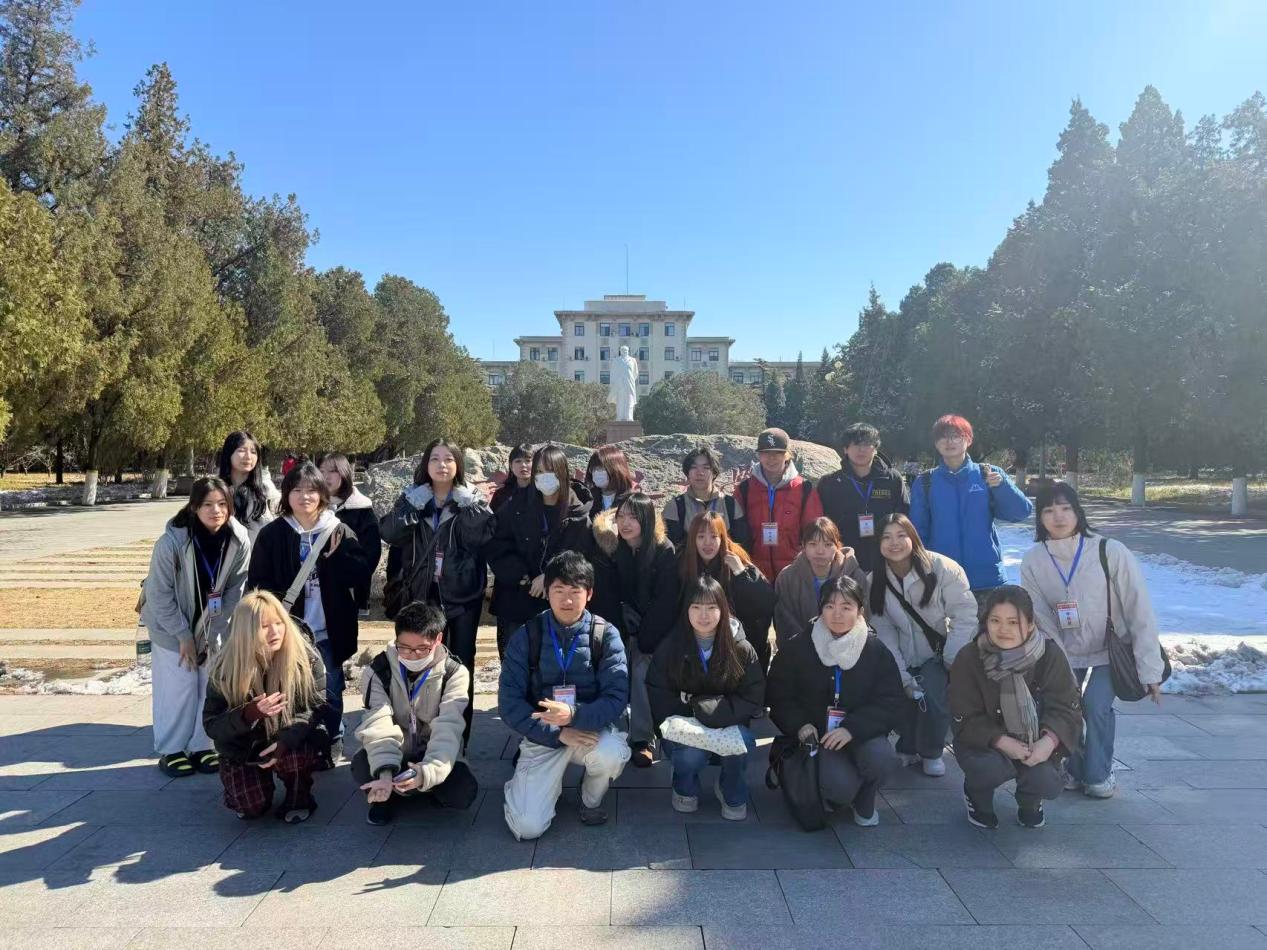
Crossing Mountains and Seas, Gathering at USTB
Throughout the year, four short-term programs were held, enrolling a total of 119 students from 21 countries across Asia, Europe, Africa, and the Americas — including Germany, Japan, Vietnam, the United Kingdom, Poland, Sweden, Spain, France, Russia, Croatia, Morocco, Nigeria, Brazil, and Venezuela. Most participants are undergraduate students from both humanities and engineering disciplines.
Language and Culture in Parallel, Engineering Programs Breaking New Ground
This year's programs were clearly positioned and distinctive in character. Through innovative group formats, a dual-track program structure was established, with "language and culture" programs and "engineering" programs advancing in parallel.
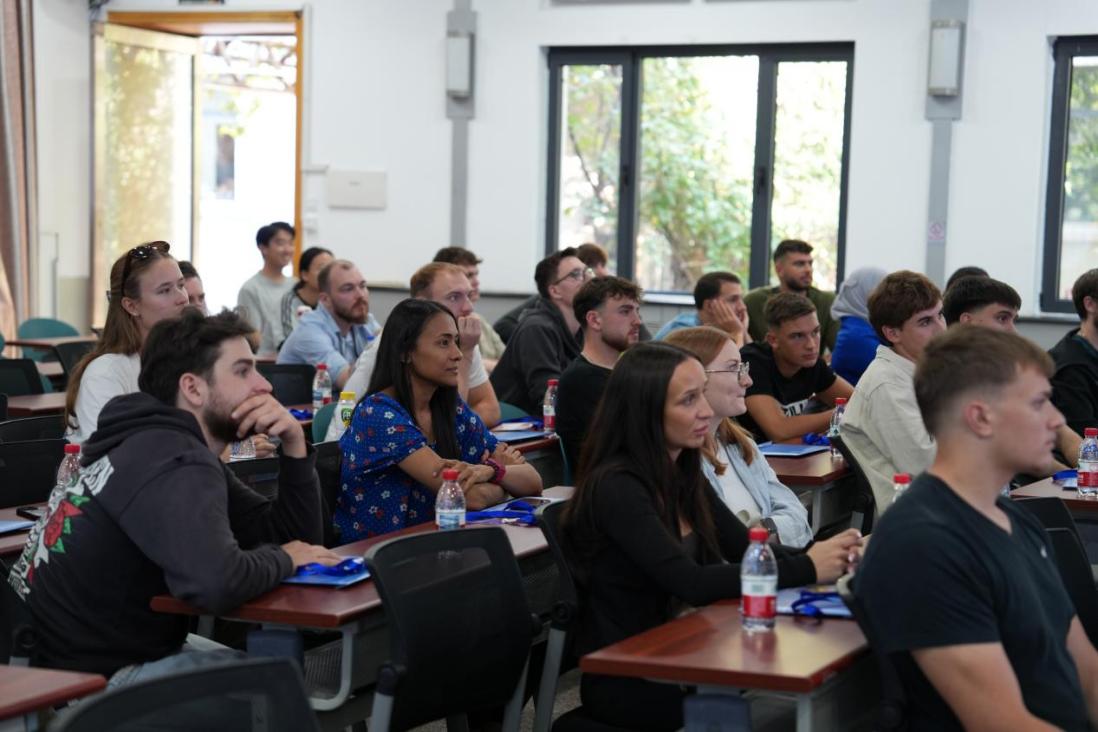
A Chinese Class: Language as a Bridge That Brings People Closer
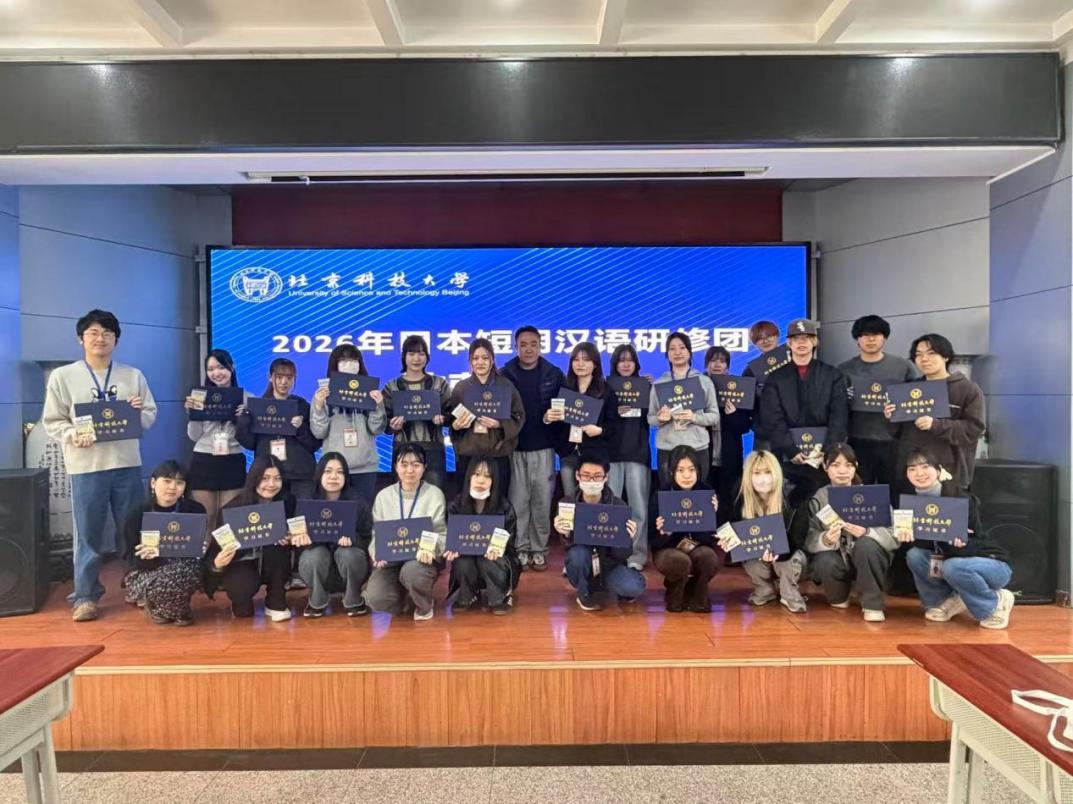
Japan Short-Term Chinese Language Program — Lasting 21 days, the program centered on Chinese language courses and cultural visits, allowing participants to get closer to China through immersive language learning and urban cultural experiences.
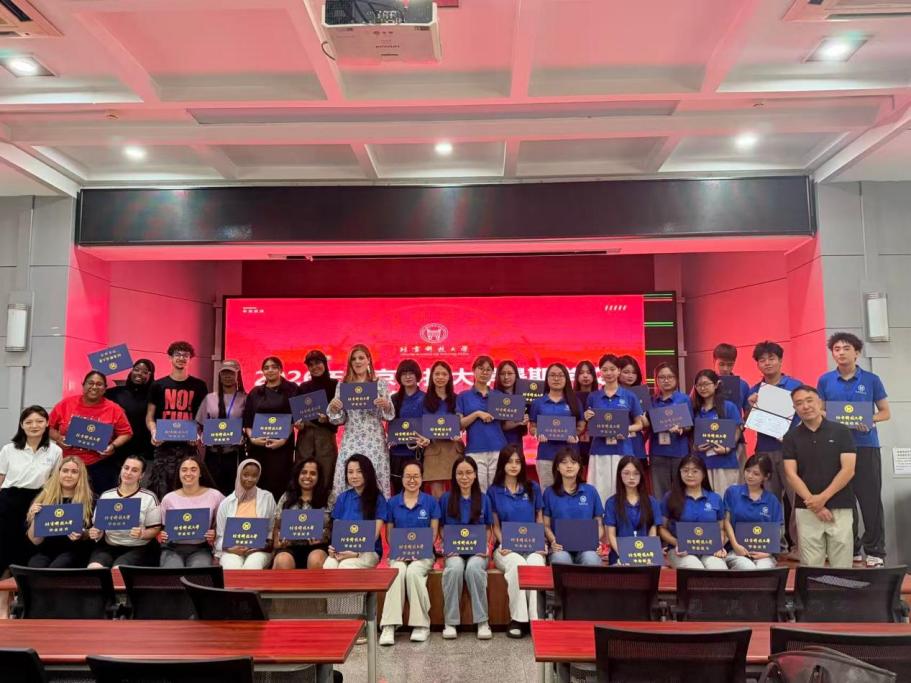
2026 Summer School (Vietnam; De Montfort University, UK) — Lasting 15 days, the program combined Chinese language instruction with Chinese culture courses, hands-on activities, and cultural visits.
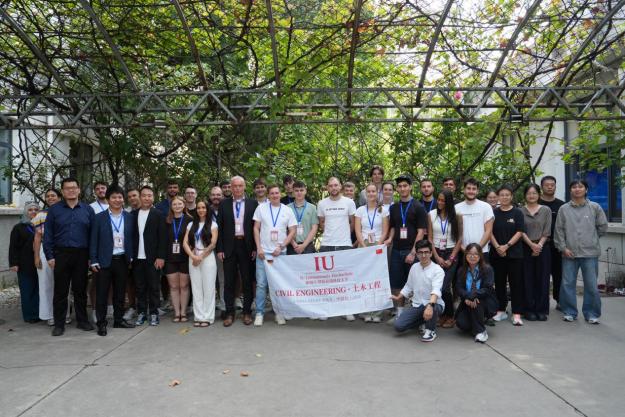
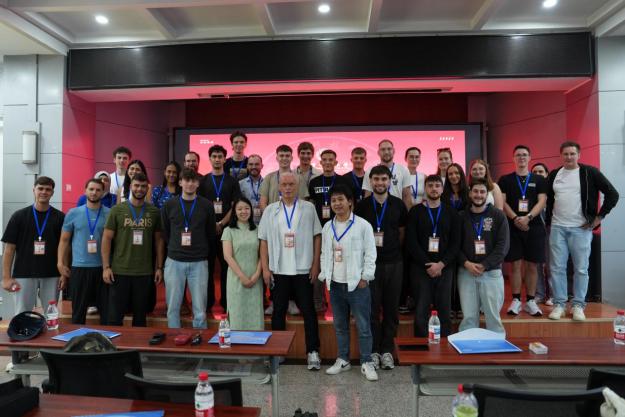
China–Germany Civil Engineering Internship Camp — Breaking new ground in the short-term program format, the camp explored a model centered on lectures, academic reports (seminars), and discussion-based exchanges, hosting a program with clearly distinctive USTB disciplinary features.
From "Scale Expansion" to "Connotation-Driven Development"
This year, the International Students Center joined hands with the School of Future Cities to innovatively host the China–Germany Civil Engineering Internship Camp, achieving deep collaboration between the center and the school's disciplinary strengths. It represents an important step in transforming USTB's summer school from "scale expansion" toward "connotation-driven development," and from "general language and culture exposure" toward "in-depth exchanges in professional fields."
The program adopted a "1+2+3" training framework: one core theme (China–Germany collaborative innovation in civil engineering), two supporting modules (academic practice, and culture and China studies), and three dimensions of capability enhancement (professional awareness, cross-cultural communication, and transnational disciplinary exploration).
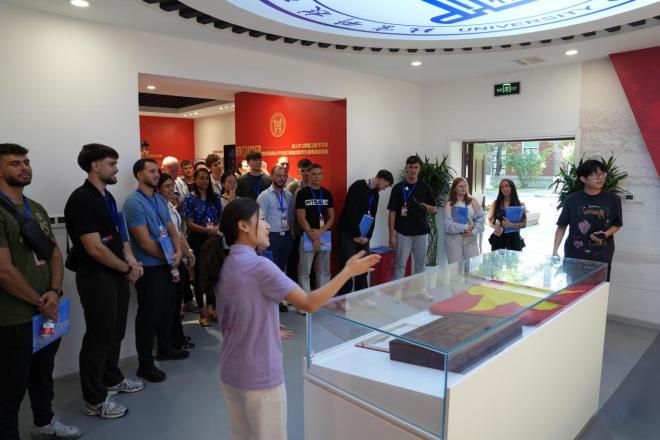
The "China–Germany Civil Engineering Symposium," held on September 22, served as the core academic event. Six experts and scholars from China and Germany were invited to deliver keynote reports on frontier topics including Germany's "dual system" of engineering education, the stability of thin-walled structures, future urban development, high-performance metal structures, and intelligent construction technologies. Participants also visited USTB's key laboratory of civil engineering for a demonstration of structural loading experiments and hands-on experience with BIM technology.
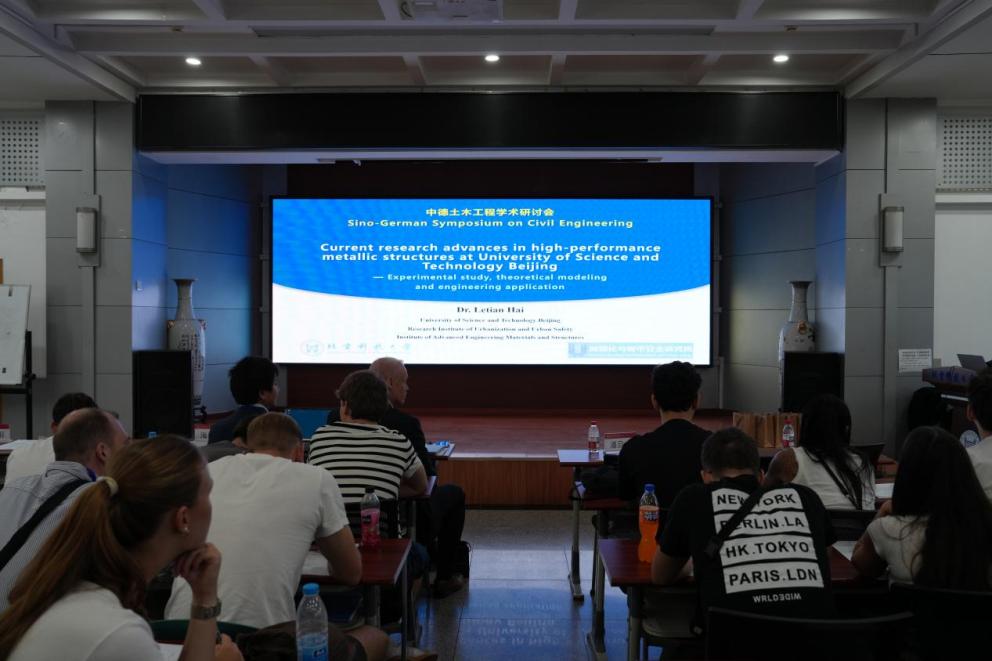
Students from the German Department of the School of Foreign Studies also took an active part throughout the program, serving as interpreters, guides, teaching assistants, and cultural exchange volunteers. With solid language skills and warm, sincere communication, they became the most active and heartwarming "bridge" between Chinese and German teachers and students.
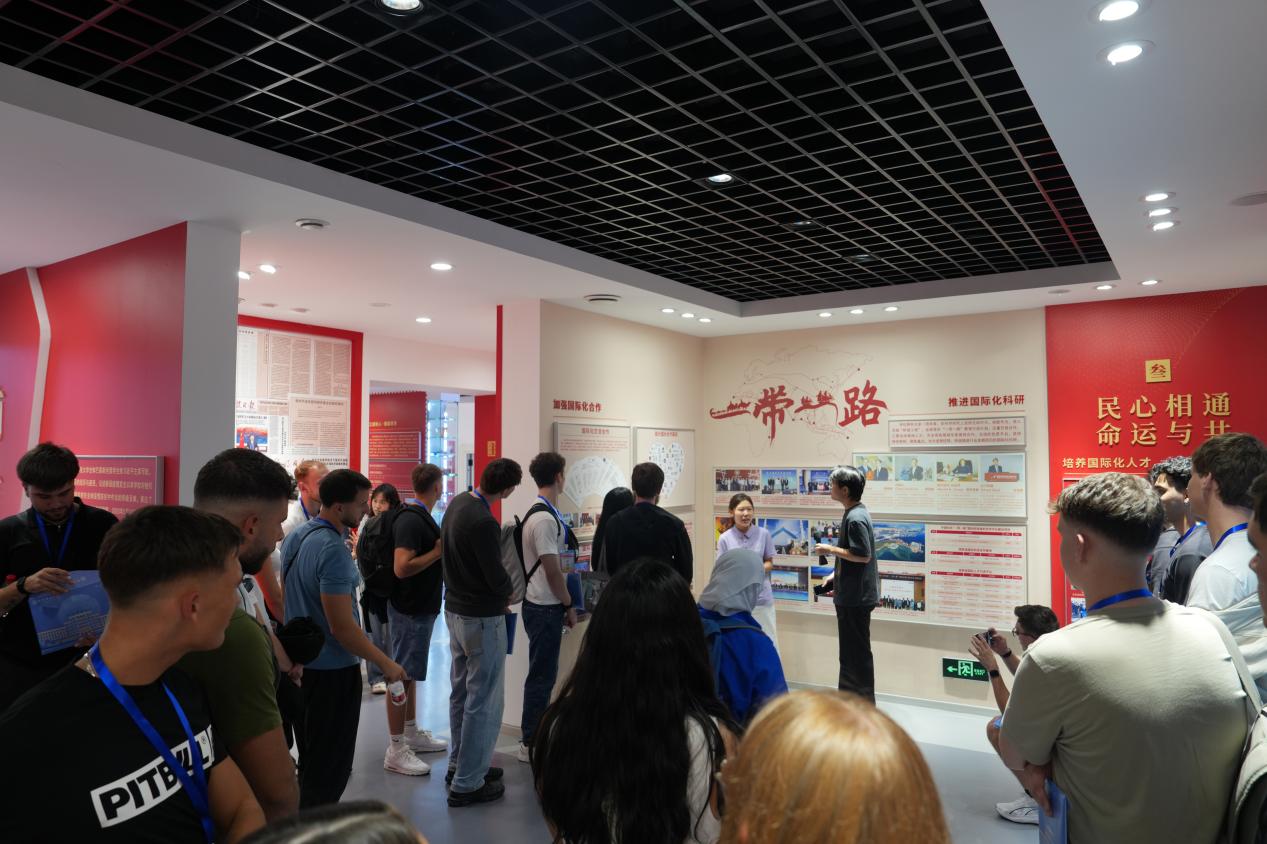
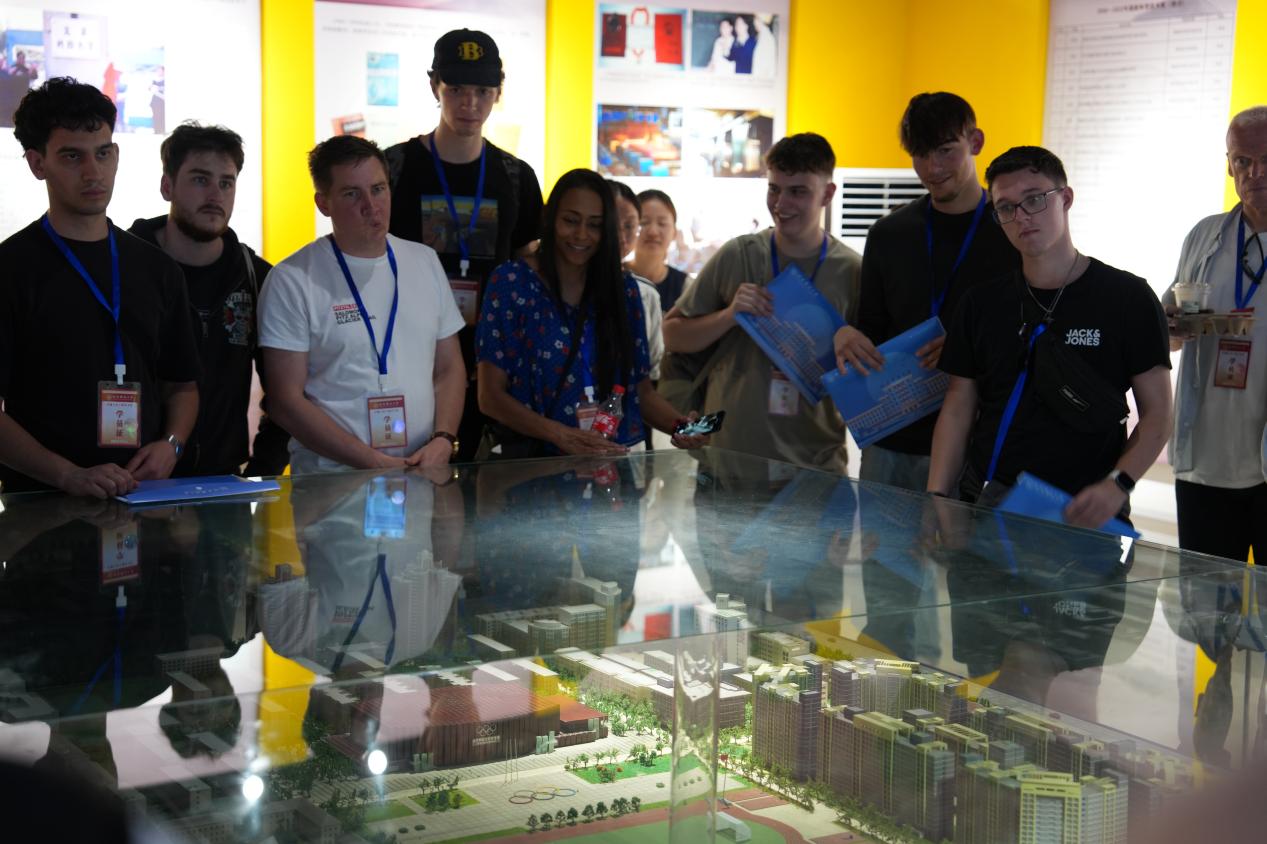
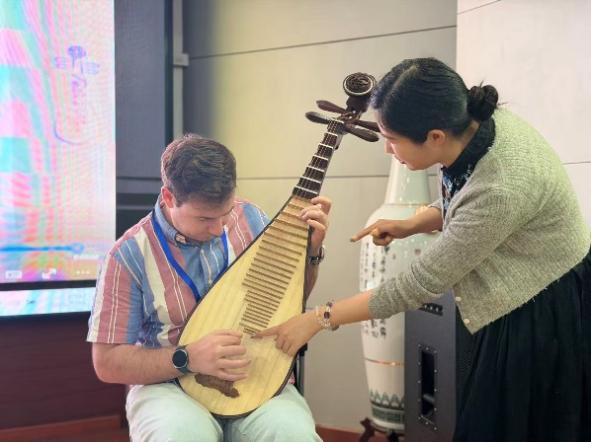
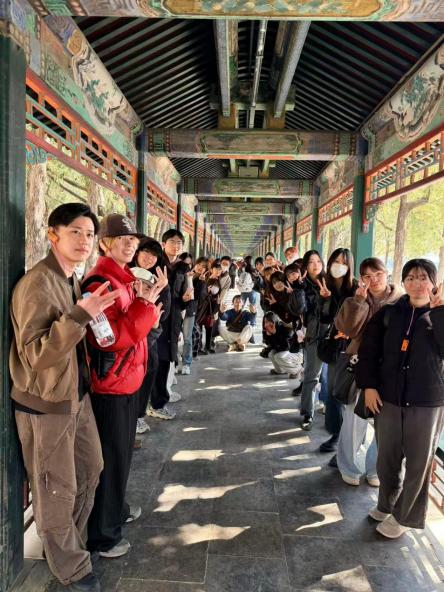
Understanding and experiencing Chinese culture is an important component of short-term programs for international youth in China. Drawing on the resources of the Teaching Center for Chinese as a Foreign Language, Chinese culture courses were offered, and participants made cultural visits to the Forbidden City, the Great Wall, and other landmarks, as well as the "China in the Hutongs" cultural exploration. A China–foreign youth cultural exchange salon was also held, guiding participants to deepen mutual understanding between cultures through the exchange of ideas.
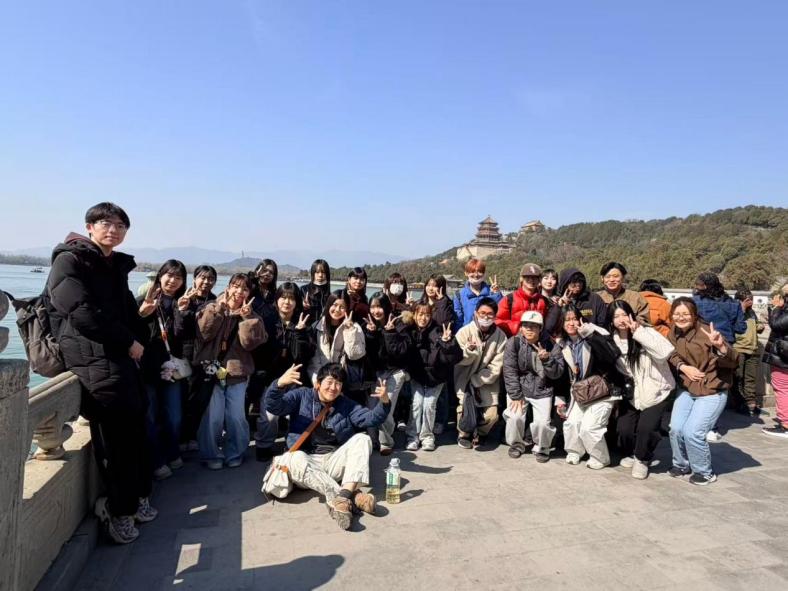
Majoring in Language, Bonded by Culture
Next Steps: Embedding Programs into Disciplines, Building Distinctive Features
USTB will continue to explore the new model of "Center + Discipline-Specialized Schools," developing modules in materials science, metallurgy, artificial intelligence, and other fields, and engaging more of the university's strengths disciplines. At the same time, the university will promote mutual credit recognition, striving to incorporate these programs into the credit systems of more overseas universities and advancing the branding and regularized development of short-term programs and summer schools.
Looking ahead, USTB will advance the high-quality development of international student education with higher aspirations and more concrete measures, striving to build its international short-term programs and summer schools into a world-class platform for cultivating international talents with distinctive USTB disciplinary features, contributing "USTB strength" to serving the country's overall diplomatic priorities and global education governance.


